Random Rewards and Surprise Progression
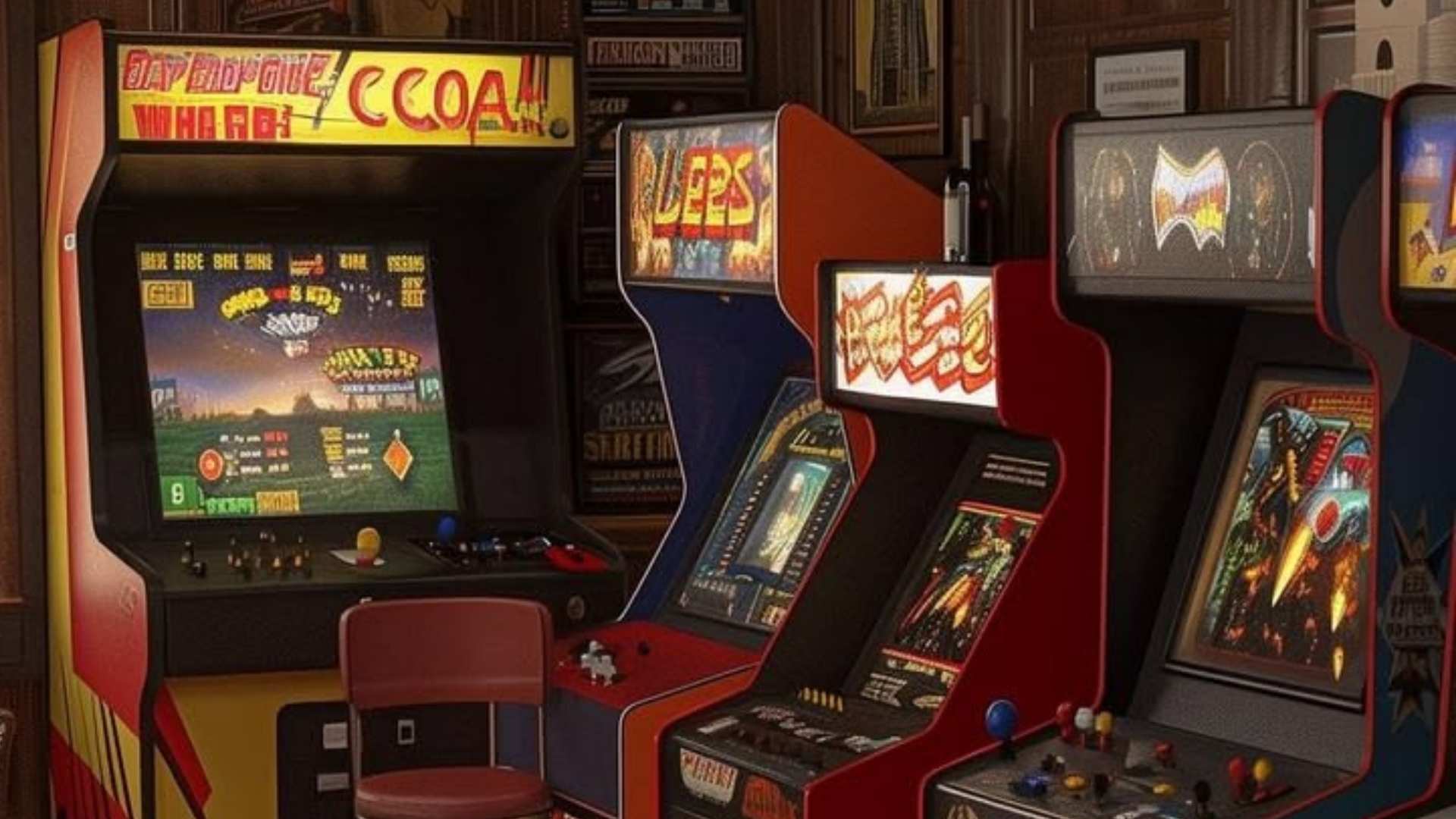
Modern game development relies heavily on player engagement systems to sustain long-term interest and excitement. One of the most effective strategies involves combining random reward loops with surprise progression mechanics that catch players off guard. By shifting away from purely predictable milestones, developers can foster a deeper sense of discovery and individual journey.
The Psychology of Unpredictable Milestones
Human psychology responds powerfully to unexpected positive outcomes, often generating more motivation than scheduled rewards. When a player cannot accurately guess their next unlock, the drive to continue playing increases significantly. This variable approach transforms basic loops into memorable milestones that feel earned yet surprisingly spontaneous.
Furthermore, surprise milestones break up the monotony that often plagues traditional linear leveling systems. Instead of grinding purely for a visible progress bar, players stay motivated by the mystery of what lies ahead. This keeping of curiosity alive shifts the focus from repetitive labor to authentic interactive entertainment.
Balancing Skill and Random Chance
Creating a fair environment requires a delicate balance between a player's actual skill and chance-based elements. If a progression system depends entirely on luck, dedicated users might feel that their efforts are undervalued. Conversely, removing all randomness can make the game feel rigid and lessen the thrill for casual participants.
To solve this, developers often use hidden catch-up mechanics or bad-luck protection systems to safeguard the overall user experience. This methodology guarantees that even during a long streak of bad luck, steady progress is quietly happening behind the scenes. Enthusiasts looking for competitive landscapes often analyze how these mechanics function by visiting platforms like M88 esports to observe professional play styles.
Designing Meaningful Surprise Drops
The impact of a surprise drop depends heavily on its relevance and utility within the virtual ecosystem. Cosmetic items or unique gear upgrades should feel distinct enough to justify their sudden appearance. Giving players items that hold no value can diminish the positive impact of an unexpected reward loop.
Designers must also consider the community impact of rare items to avoid disrupting competitive equilibrium. A well-designed surprise system adds variety without granting unfair advantages that ruin the game for others. True innovation lies in providing excitement while preserving the foundational core principles of competitive integrity.
The Future of Progression Mechanics
As interactive technology continues to evolve, developers are exploring adaptive algorithms that tailor surprise elements to individual playstyles. These personalized frameworks can detect when a player is losing interest and introduce an appropriate milestone to renew engagement. This shift toward dynamic design suggests a more customized future for player tracking.
Ultimately, the fusion of random rewards and hidden progression paths will remain crucial for modern digital platforms. By treating surprise as a core design pillar rather than an afterthought, creators can build deeper virtual worlds. The evolution of these systems ensures that future gaming experiences remain fresh, engaging, and fundamentally unpredictable.