Multiplayer Games with Advanced Cooperative Features
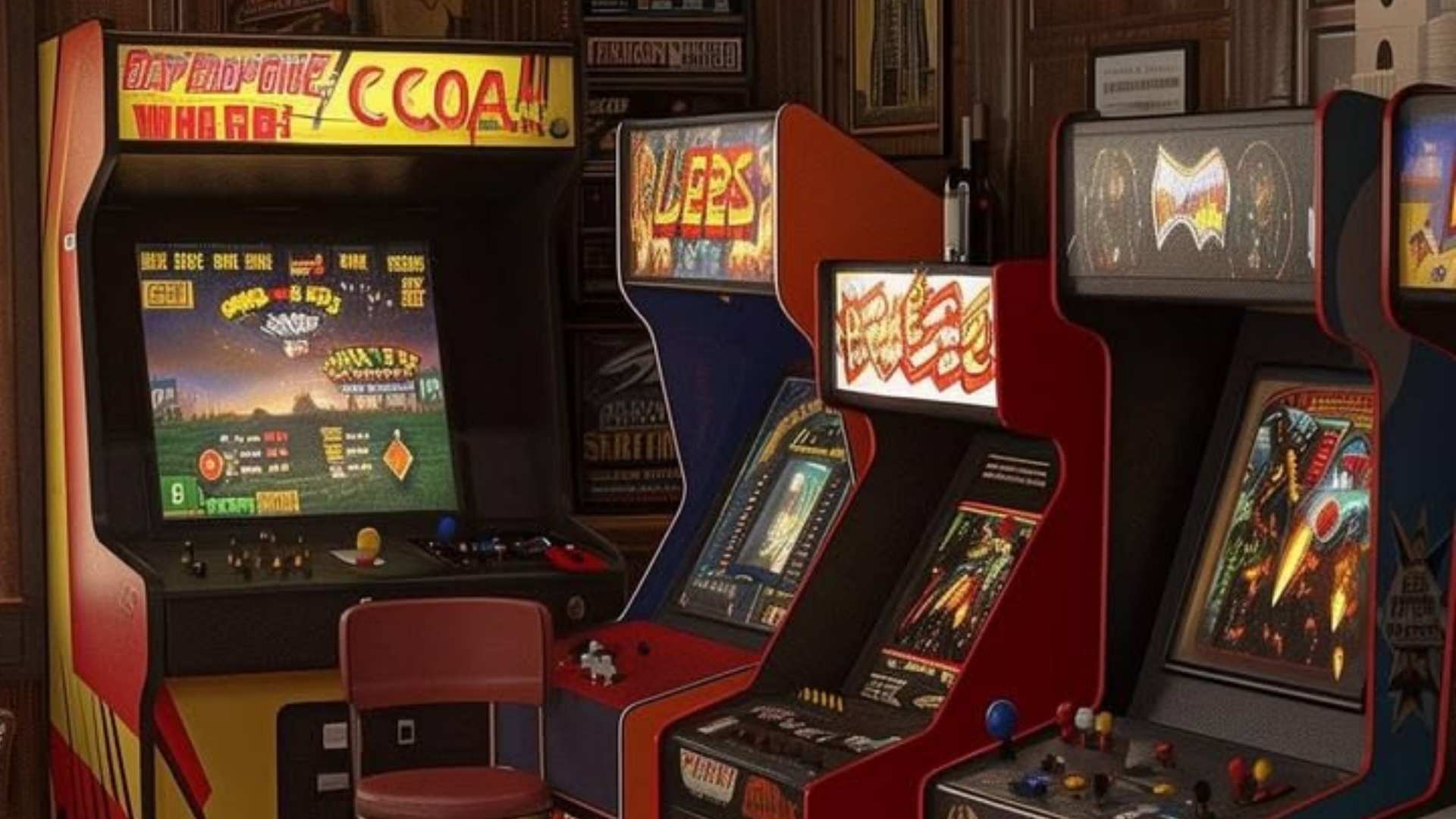
The landscape of modern digital entertainment has evolved significantly, shifting toward complex multiplayer experiences that demand genuine teamwork. Players are no longer satisfied with simple high-score chases or basic player-versus-player matchups. Instead, they seek out deep, immersive environments where success depends entirely on coordinated group strategies and shared responsibilities.
The Evolution of Dynamic Team Interactions
Modern cooperative titles are moving beyond basic survival mechanics to introduce highly complex interaction systems. These frameworks require participants to synchronize their specific abilities in real time to overcome intricate environmental puzzles and aggressive artificial intelligence. This shift has redefined how communities communicate, turning digital sessions into highly engaging cognitive challenges.
Furthermore, developers are designing mechanics that reward groups for executing precisely timed tactical maneuvers. When team members successfully align their distinct roles, they unlock unique gameplay advantages that cannot be achieved individually. This level of depth ensures that every session feels fresh, encouraging long-term engagement among dedicated gaming circles.
Sophisticated Role Mechanics and Synergy
At the core of advanced cooperative systems is the implementation of highly specialized, asymmetric character classes. Each player must master a distinct set of tools and vulnerabilities that directly complement the strengths of their companions. This structural necessity prevents single individuals from dominating the match, fostering a strong sense of mutual reliance.
To follow the growing popularity of competitive gaming structures, checking out updates on platforms like M88 esports can provide valuable insights into industry trends. Understanding how these intricate mechanics scale up to professional levels highlights the strategic depth inherent in modern design. As these systems grow more complex, the line between casual cooperation and elite tactical performance continues to blur.
Adaptive Environments and Smart Challenges
Another defining feature of top-tier cooperative games is the introduction of dynamic environments that adapt to a team's performance. The virtual world changes its layout, enemy patterns, and objective requirements based on how effectively the group coordinates. This creates a highly responsive experience that pushes players to constantly re-evaluate their established strategies.
These smart systems ensure that communities are never left with repetitive or predictable gameplay scenarios. By introducing unpredictable variables mid-match, developers successfully maintain high stakes and intense immersion throughout the entire session. Consequently, teams must build strong communication habits to survive the ever-shifting landscape of modern cooperative spaces.
Long-Term Progression and Shared Objectives
Advanced cooperative titles also utilize sophisticated progression systems that tie individual growth directly to community achievements. Players contribute resources to shared strongholds or unlock collective technologies that benefit the entire guild or faction. This shared investment creates a powerful sense of community and purpose that keeps groups coming back for months.
Ultimately, these collaborative features transform solitary gaming habits into deeply rewarding social experiences. By focusing on shared victories rather than personal accolades, modern digital spaces are fostering healthier online environments. The future of interactive entertainment undoubtedly lies in these highly connected, deeply strategic cooperative worlds.