How Interactive Wheels Turn Chance Into Entertainment
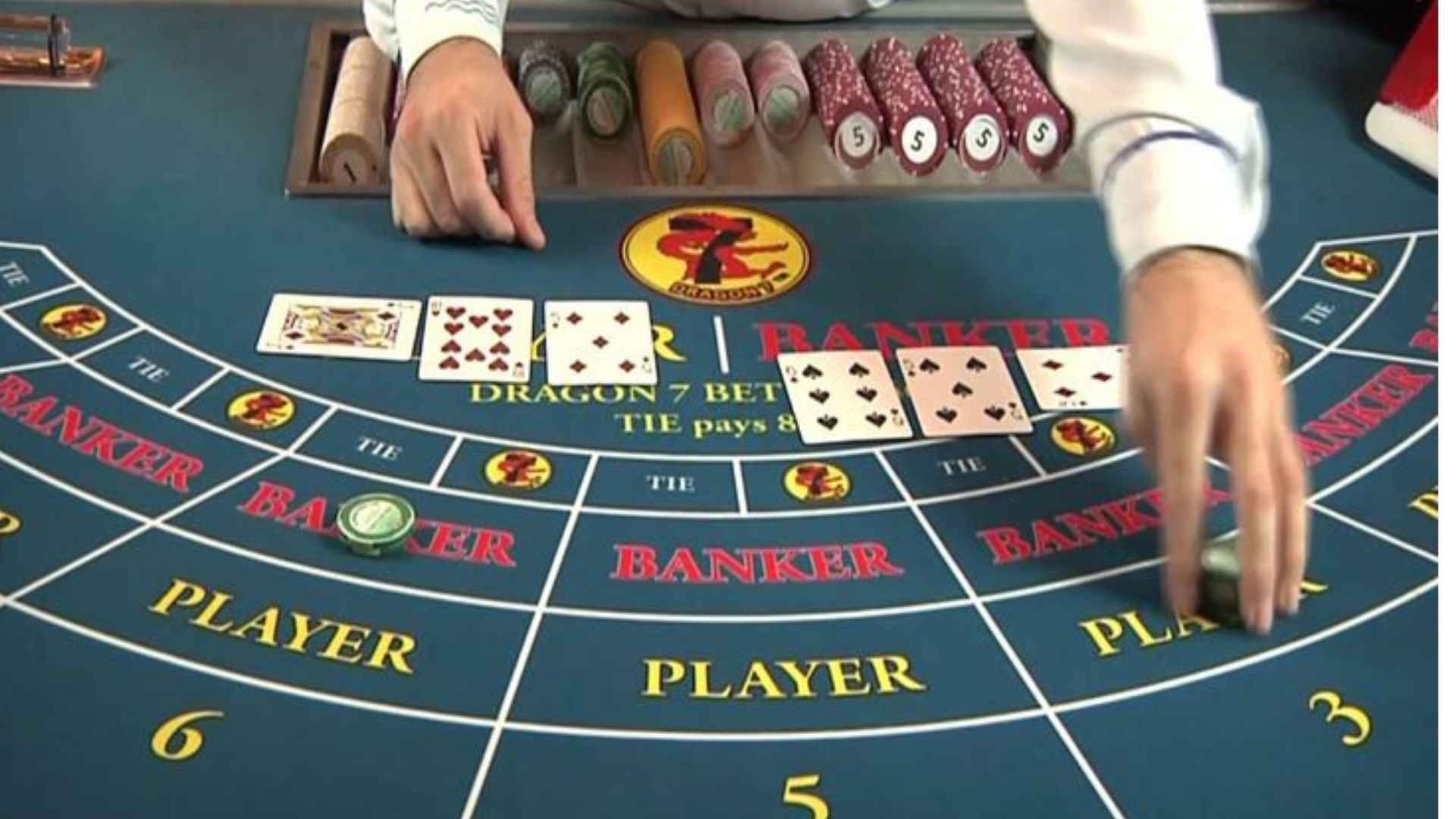
Interactive gaming elements have transformed standard digital platforms into deeply engaging playgrounds for modern audiences. Among these mechanics, the virtual spinning wheel stands out as a premier example of how unpredictable outcomes can be refined into pure entertainment. By combining real-time player input with immediate visual feedback, these features turn a simple moment of probability into a compelling narrative arc.
The Psychology of Active Participation
Traditional random systems often feel detached because the audience plays a passive role in the overall process. Interactive options change this relationship by requiring a deliberate choice or action to trigger the rotation. This shift gives participants a heightened sense of involvement, making the eventual destination feel far more personal and dramatic.
Furthermore, the visual representation of diverse segments moving across a screen generates a steady wave of suspense. Watching the indicator tick past various reward milestones allows the human brain to calculate possibilities in real time. This micro-moment of uncertainty creates a healthy rush of excitement that keeps users focused on the screen.
The Engineering of Modern Fairness
Behind the colorful graphics and fluid motion operates a complex framework driven by randomized algorithms. These background engines process mathematical data continuously to ensure every single session is an entirely independent event. This digital architecture removes physical limitations while preserving absolute unpredictability for every participant.
Many leading entertainment platforms rely on these verified mechanisms to build lasting trust with their global user communities. For instance, individuals looking for a reliable and engaging session frequently utilize the m88 slot login portal to access transparent gaming systems. Understanding that a random number generator settles the final result before the animation ends allows players to appreciate the true fairness of the system.
Designing Layered Incentive Systems
A primary factor driving the popularity of these spinning features is the inclusion of multi-tiered reward structures. Instead of focusing entirely on a single top-tier prize, modern interfaces distribute utility across small, moderate, and major segments. This balanced arrangement ensures that participants feel their time is valued regardless of the exact resting point.
These smaller milestones often include extra playtime, custom display features, or community points that enhance long-term retention. By offering immediate gratification alongside incremental benefits, developers maintain a steady flow of casual entertainment. This comprehensive approach shifts the user mindset from basic prize hunting to sustainable, value-driven recreation.
Sustaining a Responsible Gaming Mindset
The swift rhythm of digital spinning games makes it easy for enthusiasts to overextend their entertainment boundaries. To safeguard personal well-being, experienced individuals always establish firm time and financial limits before beginning a session. Committing to a clear framework ensures that interactive activities remain consistently positive and stress-free.
Recognizing that past results carry zero mathematical influence on future spins is essential for maintaining realistic expectations. Embracing each rotation as an isolated event allows participants to enjoy the pure suspense of the interactive loop. Ultimately, combining a structured personal approach with transparent software design guarantees a highly rewarding experience across modern entertainment media.